What Is the Role of Sleep Quality in Muscle Recovery?
Sleep quality is essential for muscle recovery because it supports the body’s natural repair processes. During deep sleep stages, the body releases growth hormone, which helps rebuild muscle tissue and reduce inflammation caused by exercise. Poor or insufficient sleep can slow recovery, increase soreness, and reduce overall performance in subsequent workouts.
Key Takeaways
- High-quality sleep enhances muscle repair and reduces inflammation.
- Consistent recovery routines complement sleep to support optimal muscle healing.
- Hydration, nutrition, and active recovery can improve sleep quality and recovery outcomes.
- Consult a healthcare provider when persistent soreness or sleep disturbances affect your wellness goals.
How Can Recovery Routines Complement Sleep to Improve Muscle Healing?
Building a thoughtful recovery routine that includes rest, nutrition, hydration, and gentle movement can optimize muscle healing alongside good sleep. For example, light stretching or low-impact activities on rest days can promote blood flow and reduce stiffness. Nutrient-rich meals with protein and antioxidants support tissue repair, while hydration maintains cellular function essential for recovery.
Active Recovery Strategies
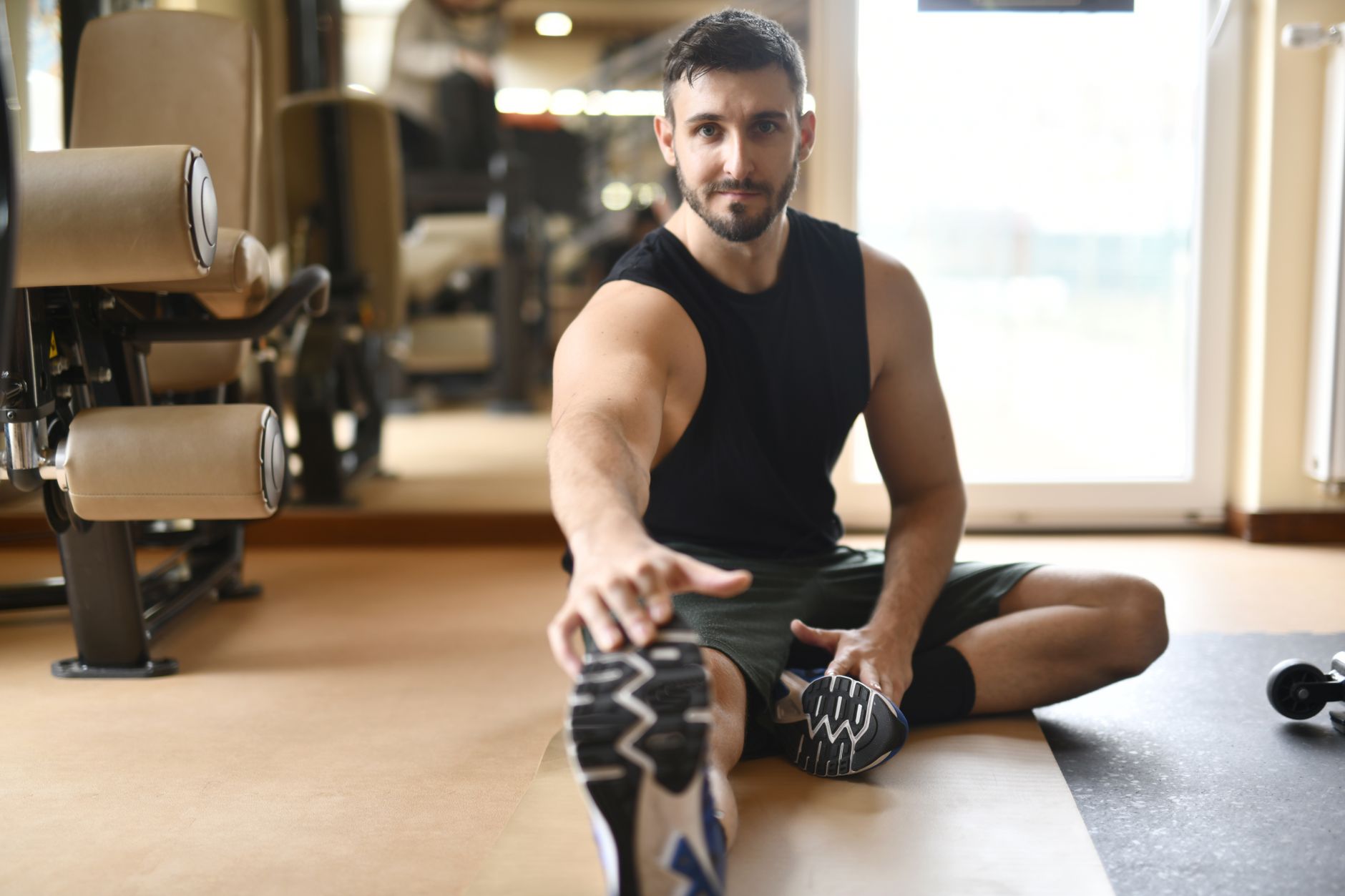
- Engage in low-intensity exercises like walking or yoga to enhance circulation.
- Incorporate foam rolling or gentle massage to alleviate muscle tension.
- Use contrast baths or cold therapy cautiously to reduce inflammation.
What Are Practical Tips to Improve Sleep for Better Muscle Recovery?
Improving sleep quality can be achieved through consistent habits and environmental adjustments:
- Maintain a regular sleep schedule: Go to bed and wake up at the same time daily to regulate your body’s internal clock.
- Create a restful environment: Keep your bedroom cool, dark, and quiet to support uninterrupted sleep.
- Limit screen time before bed: Reduce exposure to blue light from devices as it can disrupt melatonin production.
- Manage stress: Practice relaxation techniques such as deep breathing or meditation to ease the transition to sleep.
When Should You Speak with a Healthcare Provider About Muscle Recovery and Sleep?
If you experience persistent muscle soreness lasting beyond typical recovery times, significant sleep disturbances, or symptoms such as chronic fatigue, consult a healthcare provider. They can help identify underlying conditions, provide personalized guidance, and recommend tests or therapies to support your recovery and wellness goals.
Local Relevance: Serving Clinton Township, Metro Detroit, and Beyond
Individuals in Clinton Township and the greater Metro Detroit area often balance active lifestyles with demanding schedules, making effective muscle recovery strategies crucial. Access to local wellness providers can help tailor recovery plans that incorporate sleep optimization and recovery routines personalized for your lifestyle. Many patients beyond Michigan also explore these approaches to support muscle health and overall vitality.
Frequently Asked Questions
How many hours of sleep support optimal muscle recovery?
Most adults benefit from 7 to 9 hours of quality sleep per night to support muscle repair and overall health.
Can poor sleep increase muscle soreness after workouts?
Yes, inadequate sleep can impair recovery processes, leading to increased muscle soreness and prolonged healing times.
Are naps helpful for muscle recovery?
Short naps may provide additional rest and support recovery, especially if nighttime sleep is insufficient, but they should complement—not replace—consistent nighttime sleep.
What role does hydration play in muscle recovery and sleep?
Proper hydration helps maintain cellular function during recovery and may improve sleep quality by preventing dehydration-related sleep disruptions.