What Are Contrast Baths and How Do They Support Muscle Recovery?
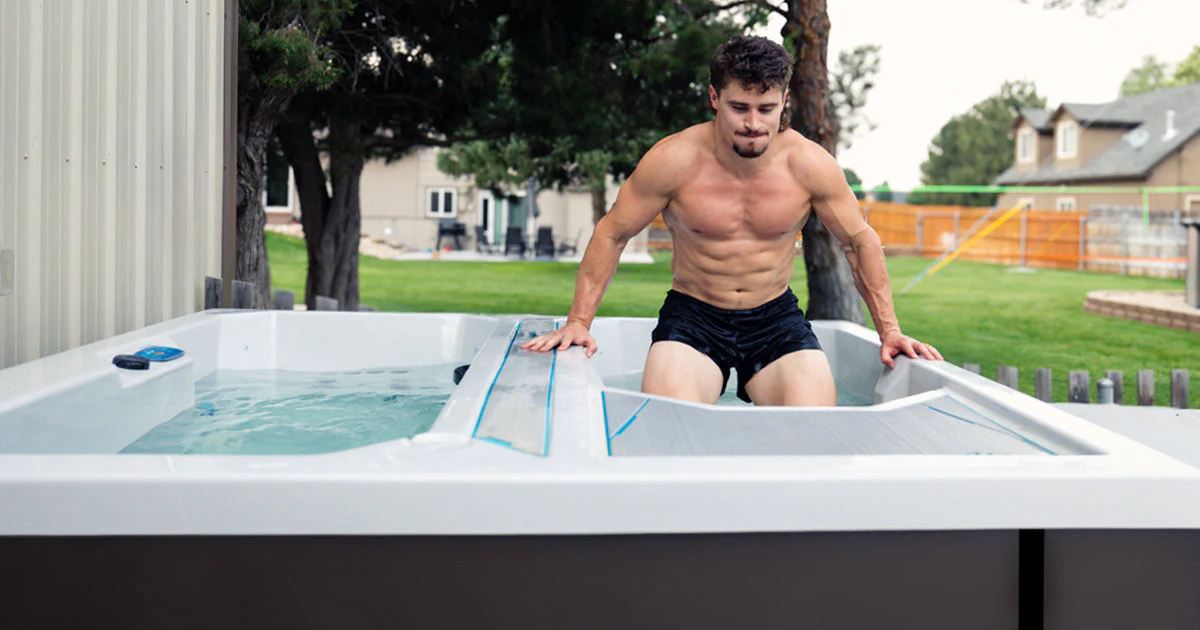
Contrast baths involve alternating immersion of the body or limbs between warm and cold water. This method can promote muscle recovery by enhancing blood flow, reducing inflammation, and easing soreness after intense physical activity. Many athletes and wellness enthusiasts use contrast baths to support faster recovery and improved performance in their daily routines.
Key Takeaways
- Contrast baths alternate between warm and cold water to aid muscle recovery.
- This technique may improve circulation and reduce muscle soreness.
- Proper timing and temperature control are essential for safety and effectiveness.
- Consult a healthcare provider if you have underlying health conditions before using contrast baths.
How Do Contrast Baths Work for Muscle Recovery?
The alternating temperatures cause blood vessels to dilate in warm water and constrict in cold water. This vascular pumping effect can encourage increased circulation, which helps clear metabolic waste products from muscles and deliver oxygen and nutrients necessary for repair. Additionally, cold water immersion may reduce inflammation and numb nerve endings to ease pain, while warm water can relax tight muscles and promote flexibility.
What Are the Benefits of Contrast Baths?
- Reduced Muscle Soreness: The cold phase may decrease delayed onset muscle soreness (DOMS) after tough workouts.
- Improved Circulation: Enhanced blood flow supports quicker removal of lactic acid and other metabolites.
- Faster Recovery: Alternating temperatures can stimulate tissue healing and reduce stiffness.
- Relaxation and Stress Relief: Warm water immersion promotes relaxation, which contributes to overall wellness.
How to Safely Use Contrast Baths for Muscle Recovery
To maximize benefits, it’s important to follow safe practices when using contrast baths:
- Temperature Guidelines: Warm water should be comfortably hot (around 98-104°F or 37-40°C) but not scalding. Cold water temperature typically ranges from 50-60°F (10-15°C).
- Duration: Alternate between warm and cold immersions in cycles of about 1-3 minutes each, for a total of 15-20 minutes.
- Target Areas: Focus on specific muscle groups that were heavily used during workouts, such as legs, arms, or back.
- Hydration: Drink water before and after to support metabolic processes and hydration.
It’s best to avoid contrast baths if you have circulatory problems, diabetes, open wounds, or infections. When in doubt, speak with a healthcare provider.
When Should You Speak With a Provider About Muscle Recovery Methods?
If you experience persistent or severe muscle pain, swelling, or symptoms that interfere with daily activities, consult a healthcare professional. Additionally, if you have any underlying health conditions like blood pressure irregularities or cardiovascular concerns, a provider can help determine if contrast baths or other recovery techniques are appropriate for you. Personalized guidance ensures your recovery approach aligns with your overall health goals.
Local Relevance: Accessing Muscle Recovery Resources in Clinton Township and Beyond
Residents in Clinton Township and the broader Metro Detroit area have access to wellness centers and physical therapy providers familiar with evidence-based muscle recovery strategies, including contrast baths and hydrotherapy. For those traveling or living in Florida or other regions, many wellness clinics and spas offer similar services. Integrating contrast baths into a comprehensive recovery routine alongside professional guidance can support long-term wellness and performance, whether you’re a local or visiting patient.
Frequently Asked Questions About Contrast Baths for Muscle Recovery
1. How soon after a workout can I use contrast baths?
You can use contrast baths within a few hours after exercise to help reduce soreness and support recovery. However, avoid using them immediately if you have acute injuries or significant swelling.
2. Can contrast baths help with chronic muscle pain?
Contrast baths may provide temporary relief for some types of chronic muscle discomfort, but it’s important to address underlying causes with a healthcare provider.
3. How often should I do contrast baths for best results?
Using contrast baths 2-3 times per week can be beneficial for managing muscle recovery, especially after intense training days.
4. Are contrast baths suitable for everyone?
While many people can safely use contrast baths, those with circulatory issues, diabetes, or open wounds should consult a healthcare professional before starting this recovery method.