What Is an Iron Panel Blood Test and How Does It Relate to Fatigue?
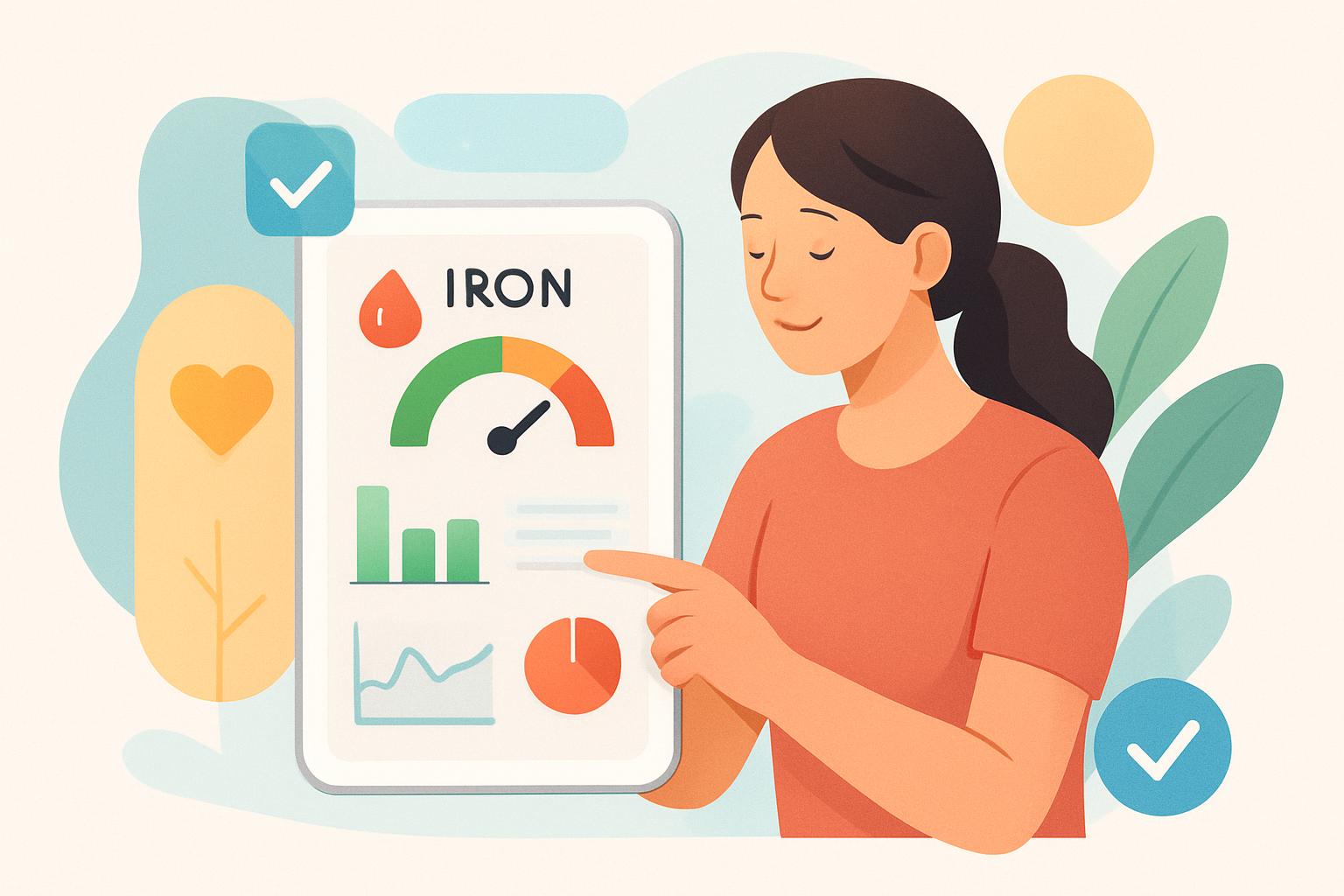
An iron panel blood test measures various aspects of your body’s iron status, including serum iron, ferritin, total iron-binding capacity (TIBC), and transferrin saturation. Iron plays a crucial role in producing hemoglobin, the protein in red blood cells that carries oxygen throughout the body. If iron levels are low or imbalanced, it can lead to fatigue, weakness, and decreased physical and mental performance.
Key Takeaways
- An iron panel can help identify iron deficiency or overload contributing to fatigue.
- Testing includes serum iron, ferritin, TIBC, and transferrin saturation for a comprehensive view.
- Iron imbalances can affect energy, sleep quality, and cognitive function.
- Early detection supports targeted wellness plans and better daily performance.
Why Might Fatigue Signal the Need for an Iron Panel?
Fatigue is a common complaint with many possible causes, but iron deficiency is one of the most frequent and often overlooked contributors. When iron stores are low, your body struggles to produce enough healthy red blood cells, limiting oxygen delivery to muscles and organs. This can cause persistent tiredness, reduced exercise capacity, and brain fog.
Conversely, iron overload conditions—though less common—can also impair wellness and cause symptoms like fatigue, joint pain, or abdominal discomfort. An iron panel helps distinguish these issues by providing detailed markers of iron metabolism.
Signs to Watch For
- Unexplained tiredness or weakness despite adequate rest
- Difficulty concentrating or memory lapses
- Shortness of breath or rapid heartbeat with mild activity
- Restless legs or unusual cravings (possible iron deficiency symptoms)
What Tests Are Included in an Iron Panel?
An iron panel typically includes:
- Serum Iron: Measures circulating iron in the blood.
- Ferritin: Reflects stored iron levels, a key indicator of iron reserves.
- Total Iron-Binding Capacity (TIBC): Indicates how well transferrin can transport iron.
- Transferrin Saturation: Percentage of transferrin saturated with iron, showing transport efficiency.
Together, these values provide a comprehensive picture of iron status, helping identify deficiency, normal levels, or overload.
How Can an Iron Panel Support Your Wellness Goals?
For anyone experiencing fatigue, an iron panel can guide targeted interventions to restore energy and enhance daily functioning. If iron deficiency is detected, nutritional adjustments, supplements, or addressing underlying causes like absorption issues might be recommended. If iron overload is identified, healthcare providers can tailor management to prevent complications.
Understanding your iron status can also support other wellness goals such as improving exercise performance, optimizing sleep quality, and maintaining cognitive clarity. Since iron affects many bodily systems, balancing it contributes broadly to health and vitality.
When Should You Speak With a Healthcare Provider About Iron Testing?
If you experience persistent fatigue that interferes with your daily routine and is not explained by lifestyle factors such as sleep, stress, or diet, consider discussing iron panel testing with your healthcare provider. Additional symptoms like pale skin, shortness of breath, or unusual cravings also warrant evaluation.
Your provider can interpret test results in context, evaluate for other causes, and help develop a personalized plan to address any imbalances safely and effectively.
Local Relevance: Accessing Iron Panel Testing in Clinton Township and Beyond
Residents in Clinton Township and the greater Metro Detroit area can access comprehensive blood lab panels, including iron testing, through local wellness centers and clinics. Many providers also offer services to patients in Florida and beyond, supporting wellness journeys regardless of location. Testing locally ensures faster results and personalized consultation for managing fatigue and iron-related concerns.
Frequently Asked Questions About Iron Panel Blood Tests for Fatigue
1. How long does it take to get iron panel test results?
Typically, iron panel results are available within 24 to 72 hours after blood draw, depending on the lab and healthcare facility.
2. Can other conditions affect iron panel results?
Yes, inflammation, infection, liver disease, and certain chronic illnesses can influence iron markers, so providers consider overall health when interpreting results.
3. Is fasting required before an iron panel blood test?
Fasting is sometimes recommended to improve accuracy, but requirements vary. Check with your healthcare provider or lab for specific instructions.
4. Can iron supplements be taken before testing?
Iron supplements can affect test results. It’s best to inform your provider about any supplements so they can advise whether to pause intake before testing.