What Is IV Vitamin C Therapy and How Does It Support Immune Health?
IV vitamin C therapy involves the intravenous administration of vitamin C, allowing for higher concentrations in the bloodstream than oral supplements. This can support immune health by potentially enhancing antioxidant protection, promoting collagen synthesis, and aiding in the body’s response to oxidative stress. Many people explore this therapy to potentially boost their immune resilience and support recovery from fatigue or illness.
Key Takeaways
- IV vitamin C therapy delivers high-dose vitamin C directly to the bloodstream, bypassing digestive limits.
- It may support immune system function through antioxidant activity and collagen production.
- Some individuals consider IV vitamin C to aid recovery from fatigue, stress, or mild illness.
- Consultation with a licensed healthcare provider is important to ensure safety and appropriateness.
How Does IV Vitamin C Differ From Oral Vitamin C Supplements?
Oral vitamin C supplements have a limited absorption rate, as the digestive system restricts the amount absorbed at once. In contrast, IV vitamin C bypasses the gut, delivering higher plasma concentrations quickly and efficiently. This higher bioavailability might be especially useful in cases where increased antioxidant activity is desired or when oral intake is insufficient or compromised.
What Are the Potential Benefits of IV Vitamin C Therapy for Recovery?
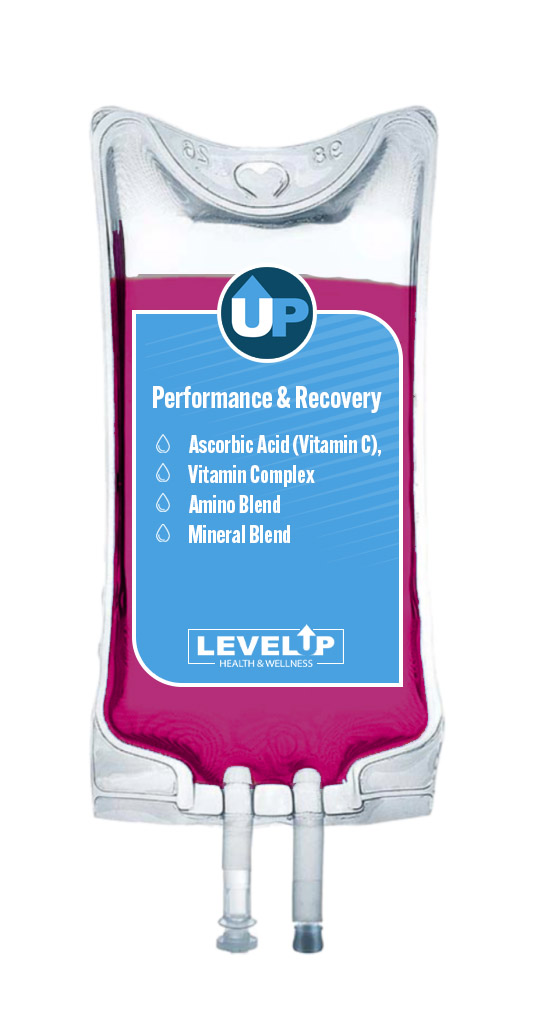
Vitamin C plays a crucial role in collagen synthesis, wound healing, and immune cell function. By providing elevated vitamin C levels, IV therapy might support:
- Immune resilience: Vitamin C contributes to the function of various immune cells and may help reduce the duration or severity of some infections.
- Antioxidant protection: It helps neutralize free radicals, potentially reducing oxidative stress linked to fatigue and inflammation.
- Enhanced recovery: By supporting tissue repair and reducing oxidative damage, IV vitamin C may aid recovery from physical or mental stress.
Are There Any Risks or Considerations?
While IV vitamin C therapy is generally considered safe for many individuals, it is important to consider potential risks such as:
- Possible vein irritation or discomfort during infusion.
- Rare allergic reactions or sensitivities.
- Interaction with certain medical conditions like kidney disorders or iron overload.
- Not a replacement for conventional medical treatments.
Always consult with a licensed healthcare professional before starting IV vitamin C therapy to evaluate your individual health status and goals.
When Should You Speak With a Provider About IV Vitamin C Therapy?
If you are experiencing ongoing fatigue, frequent infections, slow recovery from illness or exercise, or are interested in supportive wellness interventions, discussing IV vitamin C therapy with a healthcare provider can help determine if it aligns with your health needs. Providers can assess your vitamin status, overall health, and help develop a personalized plan that complements your wellness goals.
How Is IV Vitamin C Therapy Delivered?
The therapy is typically administered in a clinical setting by trained professionals. The infusion duration varies but generally lasts between 30 minutes to an hour depending on the dosage. During the procedure, patients can relax while the vitamin C is delivered intravenously, ensuring rapid absorption.
Local Relevance: Accessing IV Vitamin C Therapy Near Clinton Township and Beyond
In areas like Clinton Township and the greater Metro Detroit region, access to IV vitamin C therapy is growing as wellness centers and clinics integrate advanced infusion services. Patients from Michigan and even neighboring states such as Florida often seek out providers who specialize in IV nutrient therapies to support immune health and recovery. Choosing a licensed and experienced provider ensures safe administration and personalized care aligned with your wellness goals.
Frequently Asked Questions
1. Can IV vitamin C therapy prevent colds or flu?
While IV vitamin C may support immune function, it is not a guaranteed prevention for colds or flu. It might help reduce severity or duration in some cases but should be part of a broader health strategy.
2. How often can I receive IV vitamin C therapy?
The frequency depends on individual health needs and provider recommendations. Some people receive therapy weekly or monthly, but it varies based on goals and medical advice.
3. Is IV vitamin C therapy suitable for everyone?
Not everyone is an ideal candidate. Those with kidney issues or certain metabolic conditions should avoid high-dose vitamin C infusions. A healthcare provider can assess suitability.
4. Does IV vitamin C therapy help with chronic fatigue?
It may support recovery by reducing oxidative stress and promoting immune function, but it is not a standalone treatment for chronic fatigue syndrome. Comprehensive evaluation and care are important.
IV vitamin C therapy can be a valuable tool to support immune health and recovery when used thoughtfully and under professional guidance. Those interested in this therapy should discuss options with a knowledgeable provider to ensure it complements their overall wellness plan.