What Is the Difference Between Active and Passive Recovery for Muscle Repair?
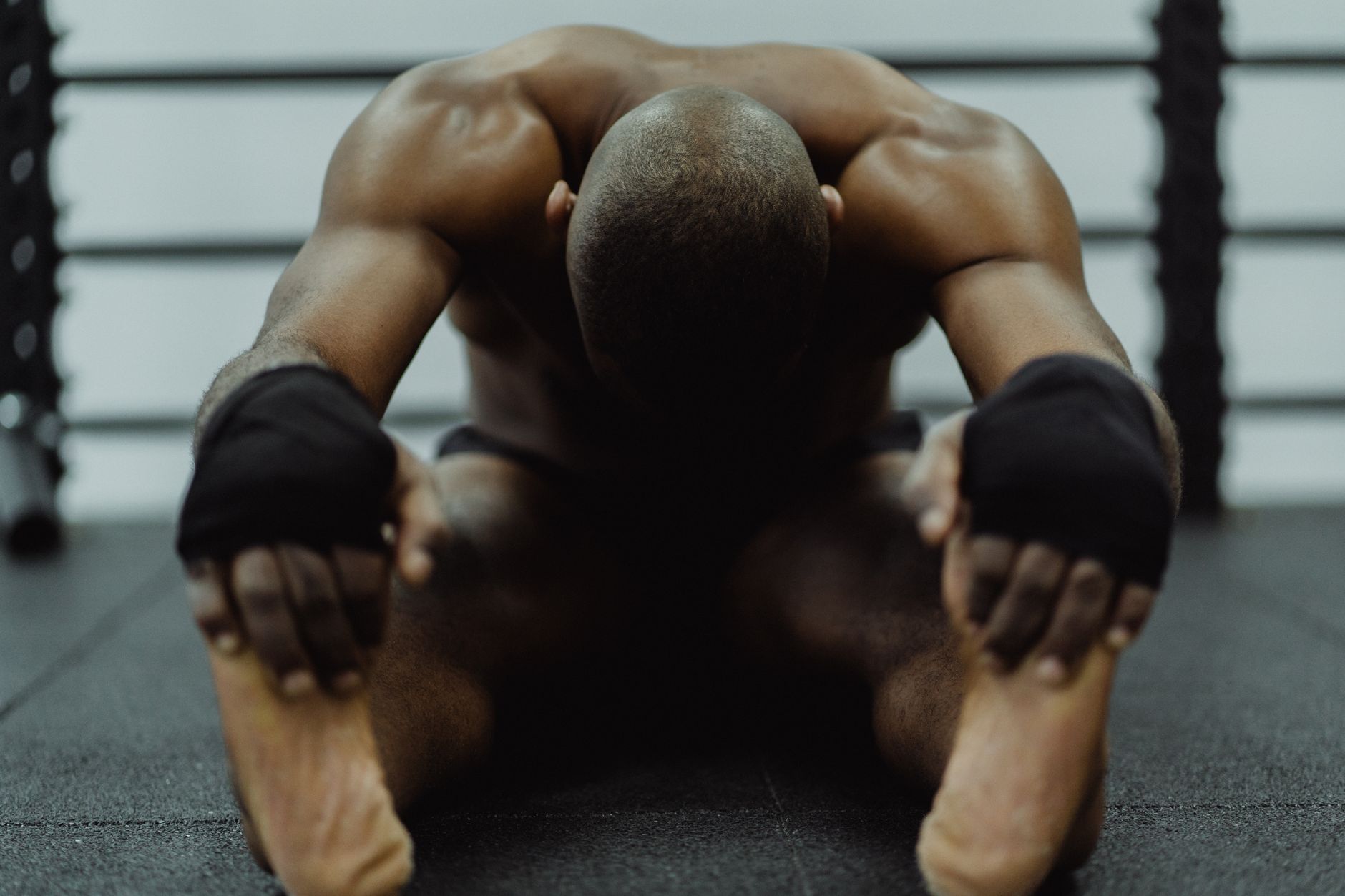
Active recovery involves low-intensity movement after exercise, such as walking, light cycling, or gentle stretching, to promote blood flow and reduce muscle soreness. Passive recovery, on the other hand, means complete rest where the body is allowed to recover without physical activity. Both methods aim to support muscle repair and overall recovery but do so through different physiological pathways.
Key Takeaways
- Active recovery encourages circulation, which can accelerate nutrient delivery and waste removal from muscles.
- Passive recovery allows the body to rest fully, which may be necessary after intense or prolonged workouts.
- Combining both recovery types tailored to your fitness level and goals can optimize muscle repair and performance.
- Consulting with a healthcare or wellness provider can help personalize recovery strategies.
How Does Active Recovery Support Muscle Repair and Performance?
Active recovery enhances circulation, facilitating the delivery of oxygen and nutrients essential for muscle repair. Light movement helps flush out metabolic waste products like lactic acid, which can contribute to muscle soreness. This gentle activity also aids in maintaining flexibility and reducing stiffness, which can improve subsequent performance. For example, after a strenuous workout in Clinton Township or Metro Detroit, a light walk or yoga session can support faster recovery and prepare muscles for the next training session.
Physiological Benefits of Active Recovery
- Increased blood flow to muscles
- Reduced muscle inflammation
- Improved removal of metabolic byproducts
- Maintenance of joint mobility and muscle elasticity
When Is Active Recovery Most Effective?
Active recovery is particularly beneficial after moderate to intense exercise sessions when muscles are fatigued but not injured. It can also help manage delayed onset muscle soreness (DOMS) and promote quicker return to baseline performance levels.
What Are the Benefits of Passive Recovery?
Passive recovery, including rest, sleep, or gentle relaxation, allows the body to dedicate energy toward repair processes without additional physical stress. During passive recovery, muscle fibers rebuild, inflammation decreases, and energy stores are replenished. This method is vital after highly intense workouts, injury, or when fatigue is extreme.
Why Is Passive Recovery Important?
- Supports tissue repair and rebuilding
- Allows central nervous system recuperation
- Prevents overtraining and burnout
- Essential for injury prevention and healing
When Should You Prioritize Passive Recovery?
Passive recovery is crucial following very strenuous exercise, illness, or injury. Quality sleep, in particular, is one of the most restorative passive recovery methods and plays a vital role in muscle repair and overall wellness.
Can Combining Active and Passive Recovery Enhance Wellness and Muscle Repair?
Integrating both active and passive recovery can provide a balanced approach to muscle repair and performance optimization. For example, on lighter training days, using active recovery techniques like swimming or stretching can support circulation, while ensuring adequate passive rest on off days prevents overtraining. This hybrid approach aligns well with wellness goals such as sustainable fitness, injury prevention, and improved daily energy.
When Should You Speak with a Healthcare Provider About Muscle Recovery?
If you experience persistent muscle soreness lasting more than a week, sharp or unusual pain, swelling, or decreased range of motion, it may be time to consult a healthcare professional. Additionally, if recovery feels unusually slow despite rest and active recovery efforts, a provider can help evaluate underlying causes such as nutritional deficiencies, hormonal imbalances, or other health concerns.
How Does Local Climate Influence Recovery Strategies?
In regions like Clinton Township, Michigan, and Florida, local climate can impact recovery choices. For example, colder weather in Michigan might make passive recovery with heat therapy more appealing, while the warmer Florida climate encourages outdoor active recovery like swimming or walking. Understanding these nuances can help tailor recovery routines to your environment and lifestyle.
Frequently Asked Questions
1. Is active recovery better than passive recovery?
Neither is inherently better; each serves different purposes. Active recovery promotes circulation and reduces soreness, while passive recovery allows for full rest and tissue repair. The best approach depends on exercise intensity and individual needs.
2. How long should active recovery sessions last?
Active recovery typically involves 10 to 30 minutes of low-intensity activity, but this can vary based on fitness level and type of exercise performed.
3. Can active recovery help with delayed onset muscle soreness (DOMS)?
Yes, light movement during active recovery can reduce DOMS by improving blood flow and promoting metabolic waste removal.
4. What role does sleep play in muscle recovery?
Sleep is essential for muscle repair as it supports hormonal balance, tissue regeneration, and energy restoration, making it a critical component of passive recovery.